

led smart bathroom mirror
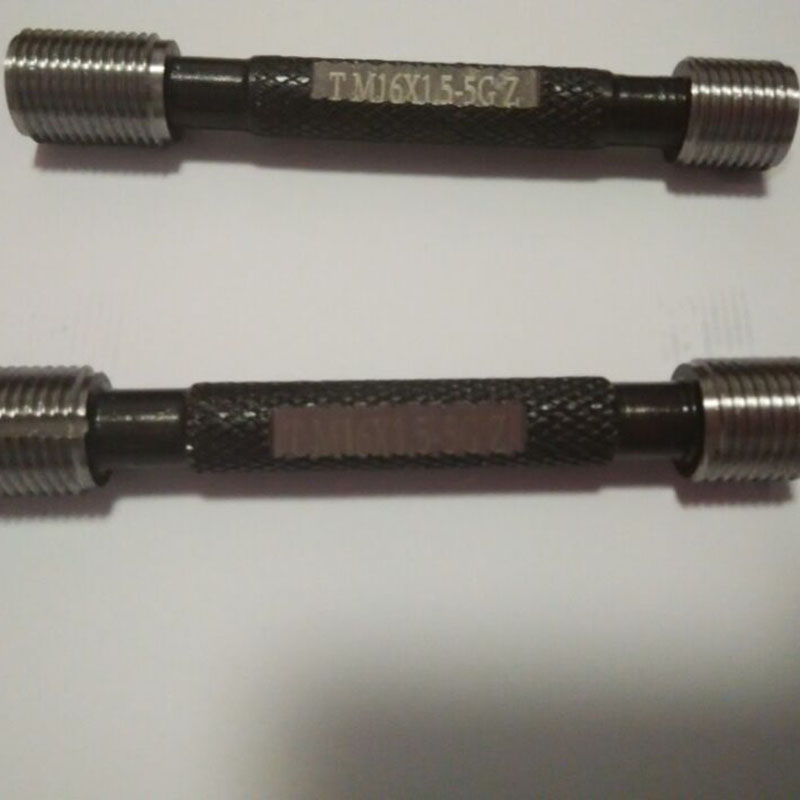
Understanding the Taper Gauge Function A Comprehensive Overview In the realm of engineering and manufacturing, precise measurements are critical to ensure that components fit together correctly and function reliably. One of the specialized tools employed for this purpose is the taper gauge, which plays a pivotal role in assessing the dimensions and tapers of objects. This article delves into the taper gauge function, its applications, and its significance in various industries. What is a Taper Gauge? A taper gauge is a measuring tool used to determine the angle or taper of a workpiece. It typically consists of a series of blades or plates that are set at specific angles. These blades can be inserted into the gap of a workpiece, allowing the user to discern the angle of the taper. Taper gauges are commonly made from materials such as stainless steel or high-density plastic, ensuring durability and accuracy. The Functionality of Taper Gauges The primary function of a taper gauge is to provide accurate measurements of the taper angle and profile of a workpiece. The tool operates on the principle that the taper or conical nature of an object can be evaluated by fitting the gauge into the tapered section. Users can quickly assess whether the taper meets the required specifications, which is crucial in industries such as manufacturing, automotive, and aerospace. Taper gauges can feature either single-angle measurements or a series of angles to accommodate different types of tapers. Some advanced models also offer digital readings, enhancing their usability and precision. This digitization allows for easier recording and analysis of measurements, which is valuable in quality control processes. Applications in Various Industries Taper gauges find applications across numerous sectors taper gauge function 1. Manufacturing In manufacturing, taper gauges are essential for ensuring that machined parts adhere to design specifications. For instance, when creating shafts that will fit into tapered holes, the precision of the taper can determine the effectiveness of the assembly. 2. Aerospace The aerospace industry relies heavily on components that must fit together with utmost accuracy due to safety and performance requirements. Taper gauges facilitate the inspection of structural parts, ensuring they meet stringent industry standards. 3. Automotive In the automotive field, taper gauges are used to check the fitment of components such as gears and bushings. Accurate taper measurements can lead to improved performance and reduced wear, critical factors for longevity and efficiency in vehicles. 4. Construction In construction, taper gauges assist in evaluating the angle of slopes, roof fittings, and other structures that require specific angles for stability and integrity. Importance of Accuracy The importance of accuracy in measurements cannot be overstated, especially in industries where safety and performance are paramount. A slight deviation in taper measurements can lead to significant issues, including component failure, safety hazards, and increased costs due to rework or part replacements. Therefore, using a reliable taper gauge is vital for manufacturers and engineers who seek to uphold high standards of quality and performance. Conclusion In summary, the taper gauge function is a crucial aspect of precision measurement in various industries. By enabling accurate assessments of taper angles and profiles, taper gauges contribute significantly to the manufacturing process, ensuring that components fit together as intended. As technological advancements continue to evolve the tools and methods used in measurement, the role of taper gauges will remain fundamental in driving accuracy, efficiency, and safety in engineering applications. Whether in manufacturing, aerospace, automotive, or construction, the taper gauge is an indispensable tool that supports quality assurance and plays a critical role in the integrity of produced parts. Ultimately, investing in high-quality taper gauges and ensuring proper training in their use can lead to improved operational effectiveness and product reliability. In an industry where precision is paramount, taper gauges stand out as essential instruments for achieving excellence.
about
led smart bathroom mirror
The Importance of Micrometre Precision in Modern Manufacturing In the world of manufacturing, precision is paramount. The ability to produce components with micrometre precision has become a cornerstone of various industries, including aerospace, automotive, medical devices, and electronics. This degree of accuracy not only enhances the performance and reliability of products but also plays a critical role in maintaining competitive advantages in a global marketplace driven by innovation and efficiency. What is Micrometre Precision? The term micrometre refers to a unit of measurement equal to one millionth of a metre, or 0.001 millimetre. Achieving micrometre precision means that the tolerances of manufactured parts are within this exceptionally tight range. To put it in context, a human hair is approximately 70 micrometres in diameter; thus, micrometre precision represents a level of accuracy that is not only challenging to achieve but also essential for certain applications. Applications of Micrometre Precision Micrometre precision is crucial in several sectors. In the aerospace industry, components such as turbine blades and fuselage parts must meet stringent dimensional specifications to ensure safety, efficiency, and performance under extreme conditions. For example, slight misalignments in turbine blades can lead to catastrophic failures, necessitating precision machining techniques that maintain tolerances within micrometres. In the automotive sector, micrometre precision is vital for the fit and function of engine components, transmissions, and braking systems. For instance, the assembly of an engine relies on the precise clearance between moving parts; too much or too little space can result in performance loss or mechanical failure. Medical devices, particularly those that interact with the human body, also require meticulous precision. Surgical instruments, implants, and diagnostic devices have to be manufactured to exact specifications. Errors measured in micrometres can lead to severe complications or failures in medical procedures, making high-precision manufacturing not just a goal but a necessity in the healthcare industry. Methods of Achieving Micrometre Precision micrometre precision Achieving such high levels of precision demands advanced manufacturing technologies and rigorous quality control. Techniques such as Computer Numerical Control (CNC) machining, laser cutting, and additive manufacturing (3D printing) have evolved to facilitate this need. CNC machines utilize computer programming to control tools with high accuracy, while laser cutting offers precision in shaping materials with minimal thermal distortion. Moreover, quality assurance processes such as Coordinate Measuring Machines (CMM) and laser scanning systems are employed to verify that each component meets the required specifications. These systems can measure components to an accuracy of one micrometre or less, ensuring that every piece produced aligns with the design intentions. Challenges in Maintaining Micrometre Precision Despite advancements in technology, maintaining micrometre precision presents its own set of challenges. Factors such as material properties, environmental conditions, and machine calibration can significantly affect manufacturing outcomes. For instance, thermal expansion can alter the dimensions of materials during processing, leading to deviations from desired specifications. Therefore, manufacturers must adopt controlled environments and employ materials that minimize such variations. Additionally, the human element cannot be overlooked. Skilled operators are crucial in the manufacturing process, as they oversee machinery and manage quality control. Investing in training and continuous learning for personnel ensures that teams are proficient in the latest techniques and technologies that promote micrometre precision. The Future of Micrometre Precision As industries continue to evolve and integrate smart technologies, the demand for micrometre precision is expected to grow. Industry 4.0 technologies, such as the Internet of Things (IoT), artificial intelligence (AI), and machine learning, are beginning to transform manufacturing processes. These innovations promise to enhance monitoring, predictive maintenance, and automated quality control, further tightening the tolerances that are achievable. In conclusion, micrometre precision is no longer a mere feature of high-end manufacturing; it is a critical necessity across various sectors. As technology advances and industries adopt smarter practices, the capacity to produce components with such accuracy will likely become even more refined. The pursuit of perfection in manufacturing not only drives innovation but also ensures the safety, efficiency, and reliability of products that we depend on every day. Therefore, the commitment to achieving and maintaining micrometre precision will undeniably shape the future of manufacturing.
-

High quality industrial productsagement

High quality industrial products
View Details -

Meet the diverse needs of customers

Meet the diverse needs of customers
View Details -

Strict quality control

Strict quality control
View Details -

Top raw materials

Top raw materials
View Details -

Trusted supplier

Trusted supplier
View Details
Our application

news and information

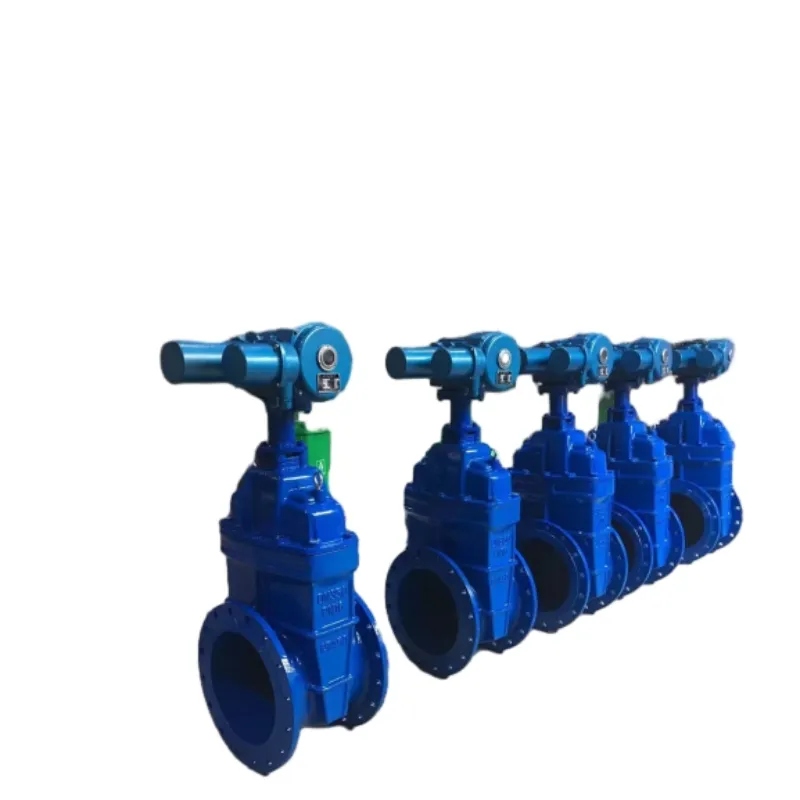
water valve shutoff
Navigating the realm of home maintenance and plumbing systems can often be a daunting task for homeo
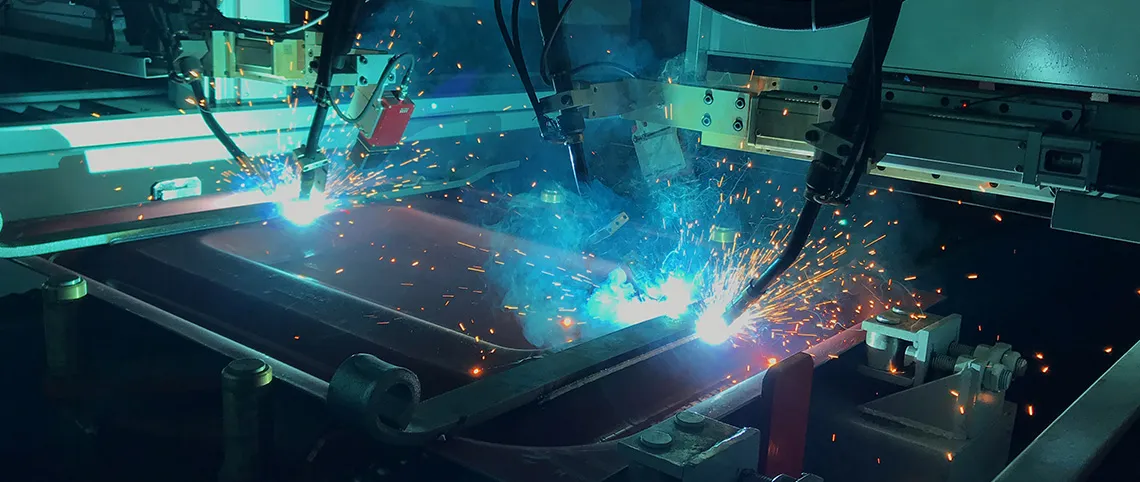
Welding Methods Used in Metal Table Fabrication
In the realm of metal table fabrication , choosing the right welding methods is crucial for creating

valve ng gate ng kutsilyo 8 pulgada
Knife Gate Valve 8 Inch Isang Mabilis na Pagsusuri Sa mga industriya ng engineering at plumbing, ang
 English